The 29 Foot Machine That Makes Big Concrete Trucks Obsolete
The Concrete Truck Problem Nobody Talks About
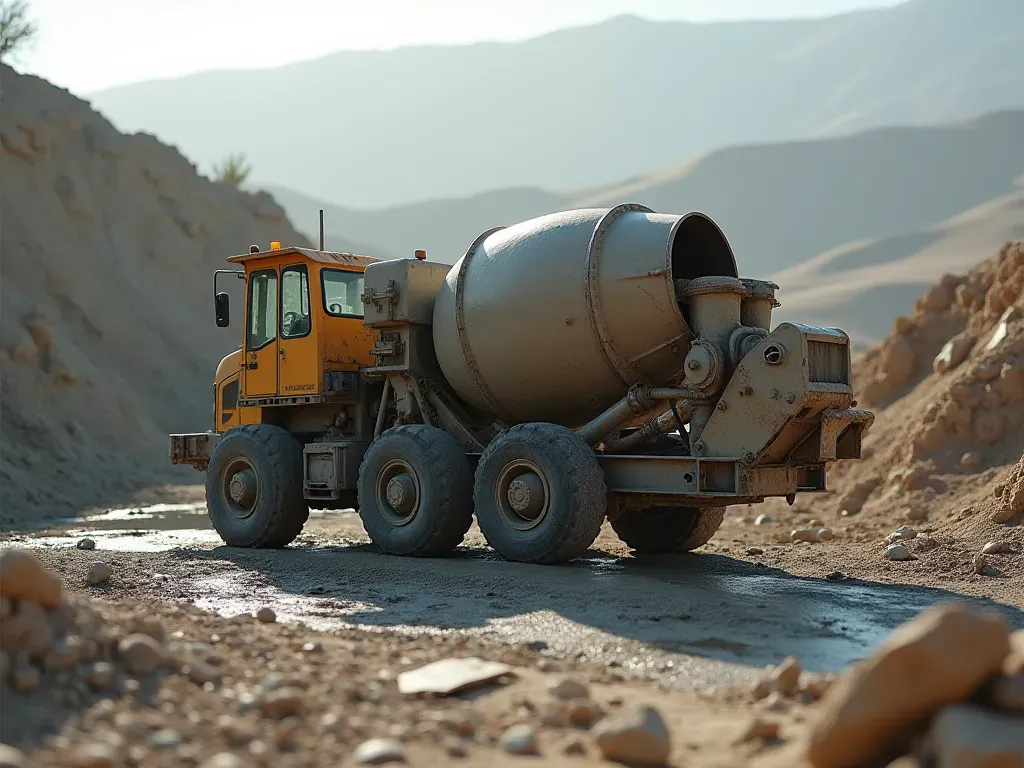
Picture a muddy rural road. A sixty-foot concrete mixer truck is stuck in the mud for twenty minutes. The crew waits. The clock ticks. And right there, in that quiet stretch of downtime, most projects quietly bleed money.
We keep seeing this exact scenario play out across the industry. Honestly, it's not some rare edge case. It's the default reality for remote sites.
But what if you didn't need that truck at all? What if the mixing plant simply towed itself to the job site?
Why Zero Slump Changes Everything for Your Pour
Standard drum trucks struggle to keep consistency. The mix changes as it travels. By the time you reach the pour zone, slump has already drifted from spec.
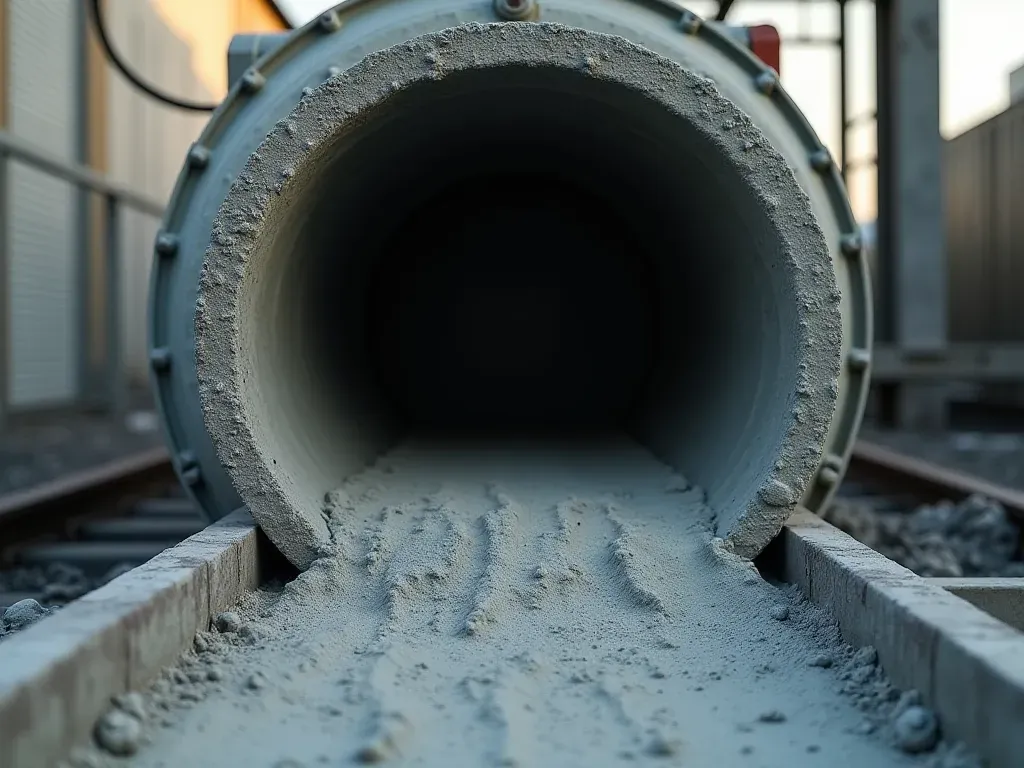
A horizontal flow-through drum solves this. Dry material enters one side. Wet concrete exits the other.
That mechanical simplicity means every batch comes out identical. You get precise control over the final product quality—no guesswork required.
The Economics of Towing Your Own Plant
Buying a ready-mix service is expensive. You're paying for the truck driver, the fuel, and all that waiting time.
Owning a small batch plant flips this dynamic entirely. You control the schedule, full stop.
If you're struggling with budget overruns on material transport, check out this analysis of hidden costs in local concrete sourcing. It's a common trap for contractors.
How Automation Removes Human Error From Batching
Manual mixing is where errors creep in. A human might misjudge water volume by five percent—and that's enough to ruin a pour.
Weight-based controls eliminate this guesswork. The system measures sand, rock, water, and cement in real time.
You can switch between English or Metric units with a simple button. That flexibility is rare in specialized equipment.
The Role of Precision Sensors
Modern plants use load cells that detect weight to the nearest pound. This ensures strict compliance with structural requirements.
This level of accuracy protects your liability. If the mix is wrong, you have proof it wasn't a human mistake.
Why Remote Sites Demand This Level of Mobility
Think about a bridge abutment in the mountains. A standard truck cannot navigate the narrow access road.
A towable unit fits in a standard trailer. You can haul it with a pickup truck right to the exact spot needed.
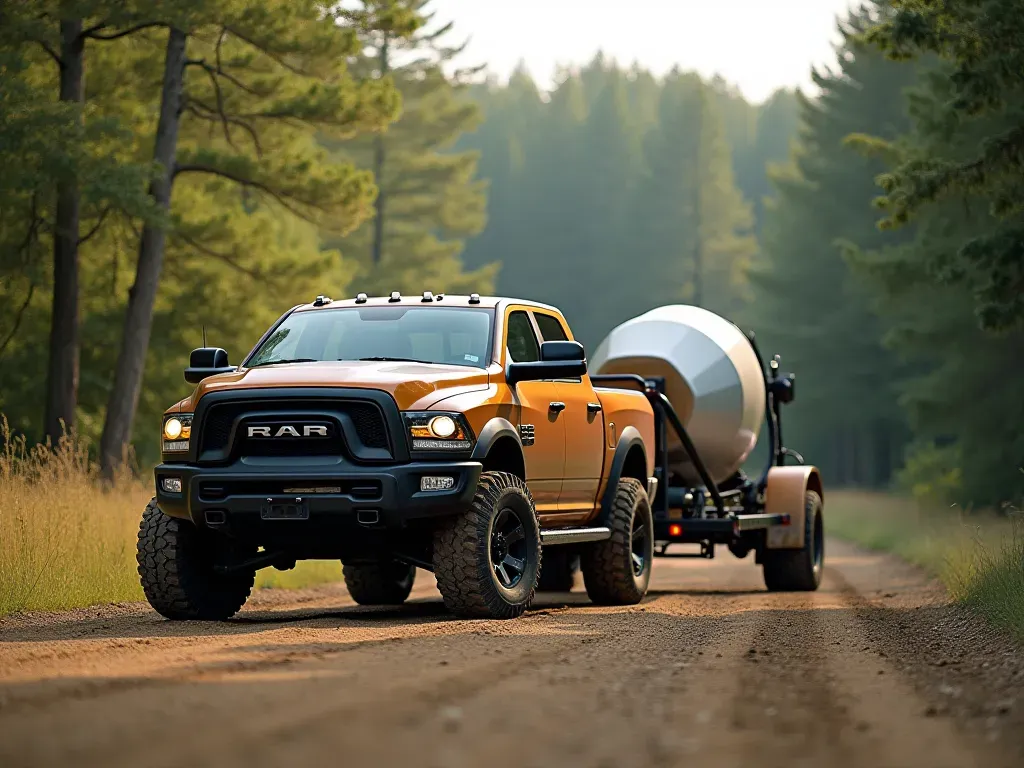
That mobility unlocks job sites that were previously impossible—or simply too costly to serve.
The Hidden Risk of Overconfidence in Safety
Many operators assume that because the machine is small, it's simple.
But a rotating drum with high-pressure hydraulics is dangerous if not respected.
We've seen accidents where maintenance was skipped. Do not make that mistake.
Checking for Compliance Standards
Always verify that the plant meets current industrial safety regulations.
Look for emergency stop buttons and guardrails on all rotating parts. These are non-negotiable features.
Daily Inspection Checklist Items
Inspect the tires before every trip. Check fluid levels for leaks.
Test the brake system thoroughly on a flat surface before loading materials.
What This Means for the Future of Batching Plants
The industry is shifting away from centralized mega-plants.
Distributed mixing reduces transportation emissions significantly. It's a win for the environment and your wallet.
As infrastructure projects grow more complex, small, agile solutions like this will become the standard.
Final Thoughts on Choosing Your Mixing Partner
Do not just buy the cheapest option. Look at total cost of ownership.
Consider the support network and spare parts availability before you sign the contract.
The right choice saves time, money, and headaches in the long run.
Comments ()