The $67 billion shift hiding in your concrete invoices
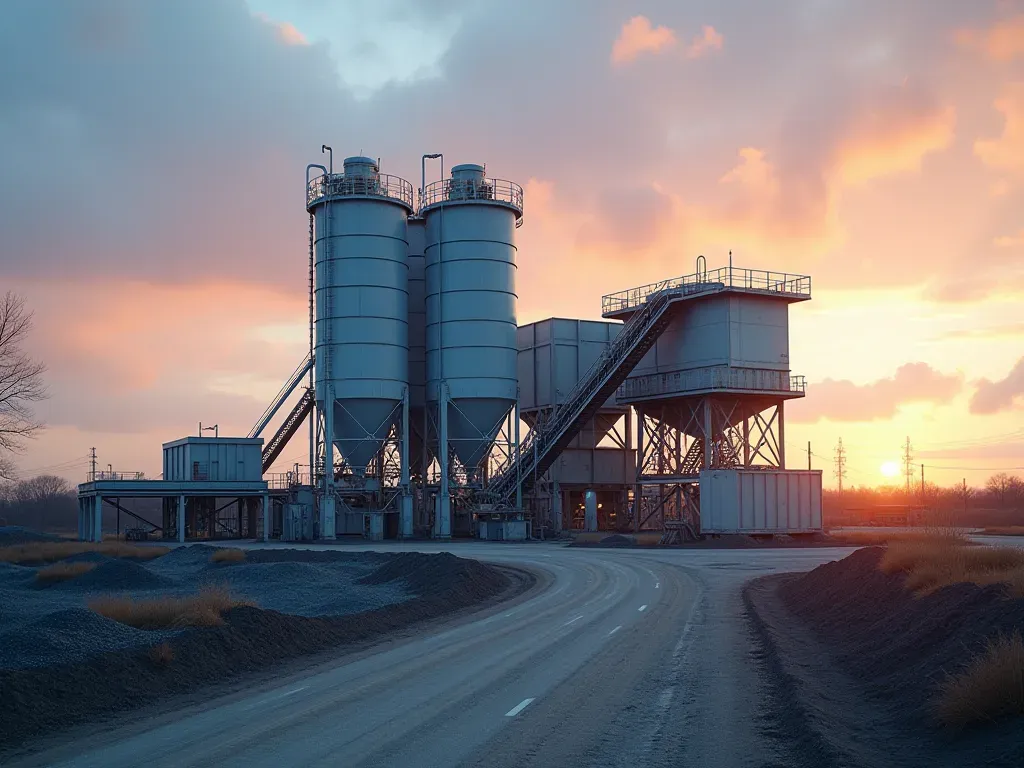
The quiet revolution in your yard
You probably don't think about batteries when you order a load of concrete. Fair enough. But the machines pulling that truck might soon run on lithium iron phosphate cells instead of diesel. Subtle change, massive financial implications for your bottom line.
A new report from Research and Markets projects the global heavy construction equipment market will hit $. billion by . That's a jump of nearly $ billion in just seven years. The driver? Electrification and infrastructure spending.
I was struck by the speed of this shift. We're not talking about some distant future where every excavator is electric. No. The adoption curve is steepening right now in key regions like Asia and Europe. This changes how we think about fuel costs, maintenance schedules, and even noise pollution on urban sites.
Why LFP batteries are winning the heavy duty race
Here's the thing most people miss. It's not just about being green. Lithium iron phosphate batteries are winning because they're tough. They handle extreme heat better than other chemistries and last for more charge cycles before degrading.
For a ready-mix plant operator, this matters. If your electric loaders are running eighteen-hour shifts in mining or quarrying operations, you need batteries that don't overheat and fail. LFP offers high thermal stability. That reliability is the real selling point, not just the zero emissions badge.
Caterpillar and Komatsu are already integrating these systems into their flagship models. In China, electric loaders now make up about six to ten percent of total sales. That's a significant slice for an industry that has been diesel-dominated for decades.
Earthmoving gear leads the charge but not alone
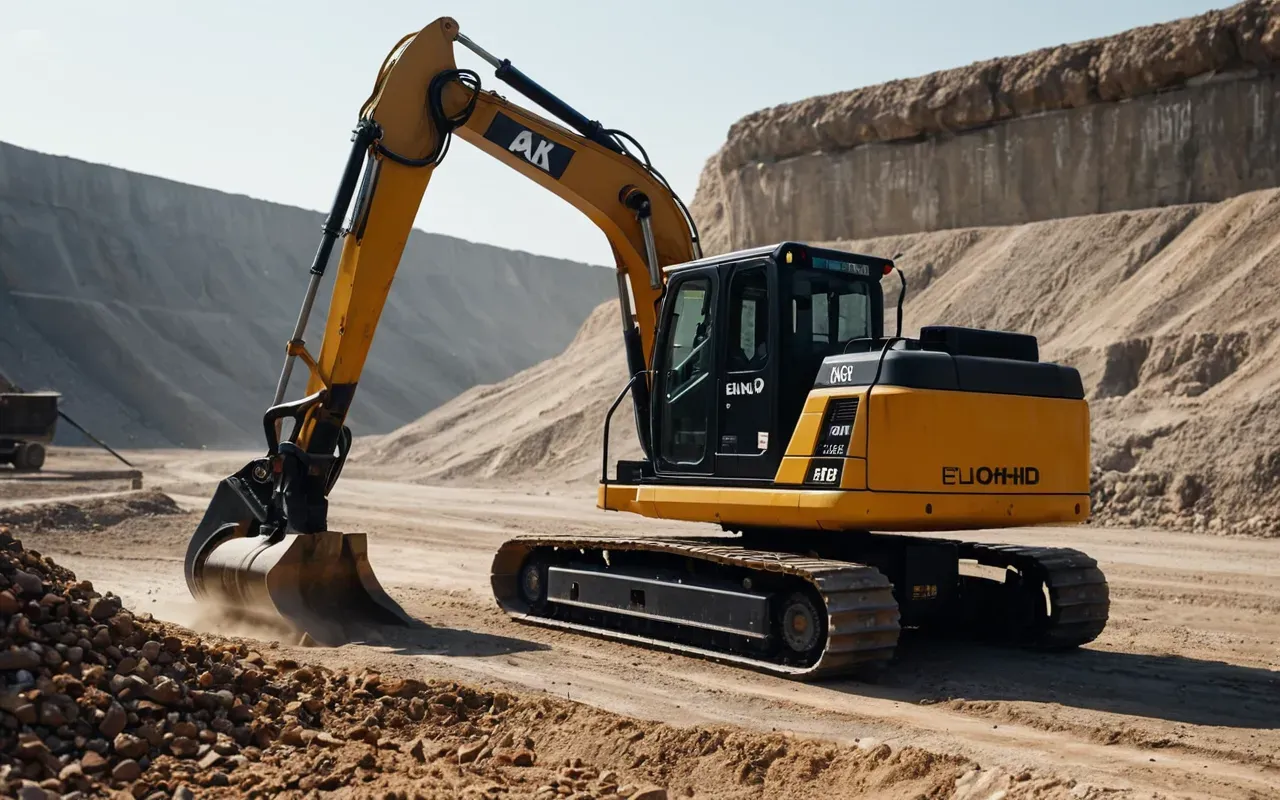
Crawler excavators remain kings of the site. They account for a huge chunk of heavy equipment sales globally. Why? Because they can handle continuous duty in tough terrain without breaking down.
But the story is more nuanced. Wheel loaders and dump trucks are also seeing massive growth in electrification. These machines move materials quickly over short distances. That makes them ideal candidates for battery power where you can recharge between shifts at a central depot.
Asia Pacific holds more than half the earthmoving market. India and China are driving this demand through massive infrastructure projects. But North America is catching up fast as grid expansion and mining activity pick up pace.
The North American recovery is coming sooner than expected
Inflation and high interest rates slowed things down in the US during and . Many contractors held off on buying new gear. But that caution is fading fast as project financing improves.
The report predicts a strong recovery from late . Renewed mining activity and energy transition projects will fuel demand for high-horsepower equipment. We're seeing this in the form of larger excavators and more robust haul trucks.
Rental models are key here. Instead of buying a $, excavator and sitting on it for three years, many firms are renting the latest electric models as they become available. This lowers risk while still capturing productivity gains.
Who wins and who loses in this electric transition
Let's be honest. The giants like Caterpillar and Komatsu are well-positioned to win this race. They have the scale to buy cheap batteries and build charging infrastructure at their own plants.
But smaller regional players might struggle. If they can't offer competitive electric options or service networks for these new machines, they could lose contracts to the big brands. The barrier to entry is rising.
For you as a concrete buyer or plant owner, this means more choices. You can now negotiate for lower lifetime costs by pointing to the fuel savings of electric gear. It's leverage that didn't exist five years ago.
The hidden maintenance trap of new tech
Don't ignore the service side. Electric equipment has fewer moving parts but complex electronics. If your local dealer doesn't have technicians trained on these systems, downtime could cost you more than fuel savings.
I've seen this play out in other industries. The technology works but the support structure lags behind. Make sure your contract includes guaranteed uptime and fast technical support before you sign.
What this means for your concrete plant strategy
If you run a ready-mix operation, pay attention to the suppliers of your heavy equipment. The shift toward automation and telematics is changing how plants operate. Data from these machines can optimize batching efficiency significantly.
Consider how the electrification of loaders and excavators affects your logistics. Electric trucks are quieter. This allows for night work in urban areas without violating noise ordinances. That's a massive advantage for city projects.
You might also see changes in how concrete is transported. Electric dump trucks have instant torque and smoother acceleration. This can reduce wear on the load itself and improve delivery precision.
Checking your supplier's electric roadmap
Ask your current equipment vendors about their electrification plans. Are they investing in battery technology? Do they have partnerships with grid providers for charging infrastructure?
If their answer is vague, that might be a red flag. The market is moving fast and companies without a clear strategy will fall behind in the next five years.
The bottom line for construction professionals
This is not just a trend. It's a structural shift in how we build things. The heavy construction equipment market is growing to $ billion by and electrification is the engine driving that growth.
For those of us in concrete and construction, ignoring this shift is risky. The companies that adapt early will capture the efficiency gains and cost savings. Those who wait might find themselves stuck with obsolete diesel fleets.
So what should you do now? Start the conversation with your suppliers. Ask about electric options for your next major equipment purchase. Even if you're not ready to switch entirely, understanding the technology gives you negotiating power.
The future of construction is electric and it's arriving faster than most people think. The $ billion market today will look very different in seven years. Are you ready for the change?
Comments ()