Why This Tiny Village Just Vetoed a Concrete Giant and Why It Changes Everything

The Unexpected Power of Local Opposition in Construction Projects
You might assume that a concrete plant is just another industrial fixture. Big silos, loud machinery, and inevitable dust clouds are the usual trade-offs for progress. But what happens when those assumptions hit a wall of fierce local resistance? That exact scenario unfolded recently in Unstone, Derbyshire.
The North East Derbyshire District Council recently turned down an application from Bear Concrete Limited. The proposal aimed to build a ready-mix concrete plant on a small industrial site off Main Street. It sounds routine, right? Wrong. This decision ripples far beyond one village's boundaries.
Residents weren't just complaining about the aesthetics. They raised serious concerns about noise pollution and heavy truck traffic on narrow roads. And honestly? Their worries were justified.
Why Aesthetics Matter More Than You Think in Industrial Planning
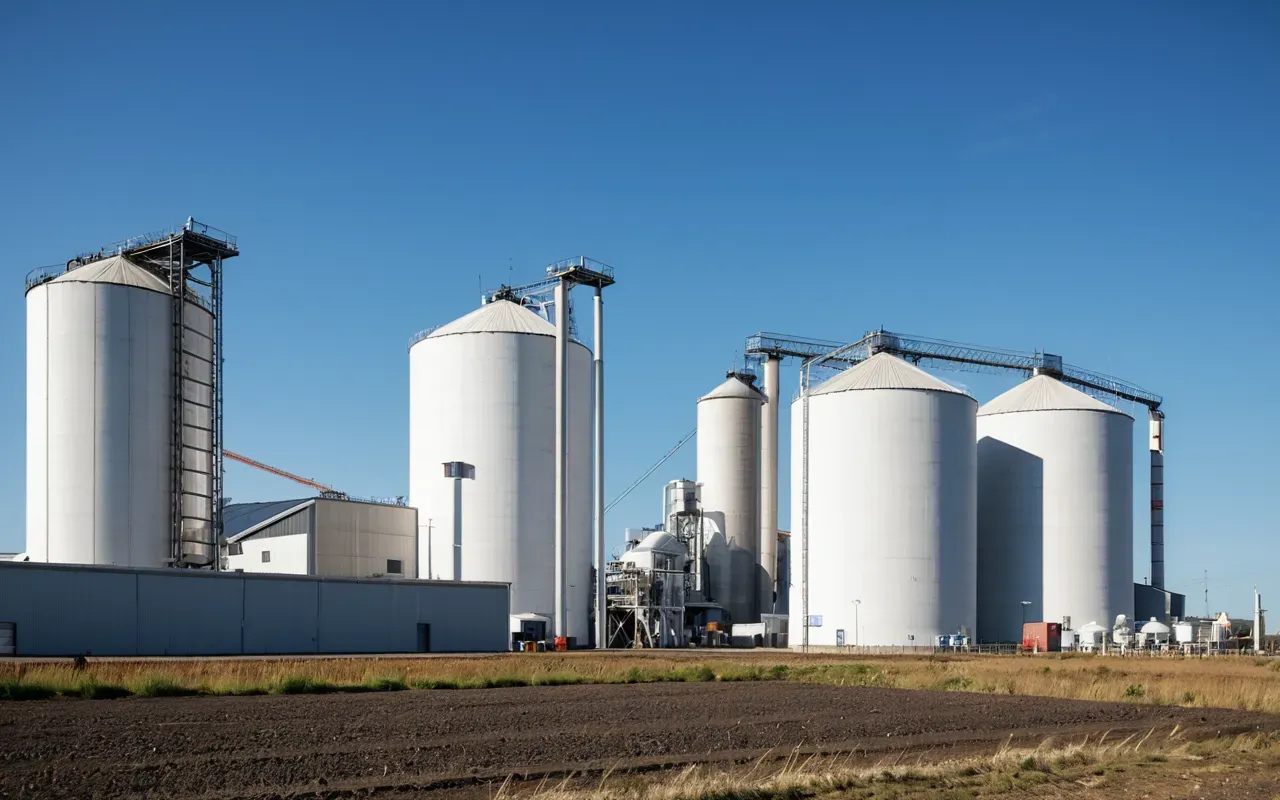
The council cited the appearance of the premises as a primary reason for rejection. The proposed main plant would have stood about five point five meters high. The silos alone were planned to reach up to nine meters.
It seems odd that height and visual impact could kill an industrial project. But look at Unstone councillor Alex Dale's reaction. He was thrilled that common sense prevailed according to his statement.
This isn't just about saving a view. It's about recognizing that industrial infrastructure changes the character of an area permanently. Once those concrete giants go up, they don't disappear when the project ends.
The Environmental Fears That Toppled the Proposal
Residents pointed to potential contamination for the River Drone nearby. Dust from mixing operations can travel far on windy days. And let's not forget the heavy lorries.
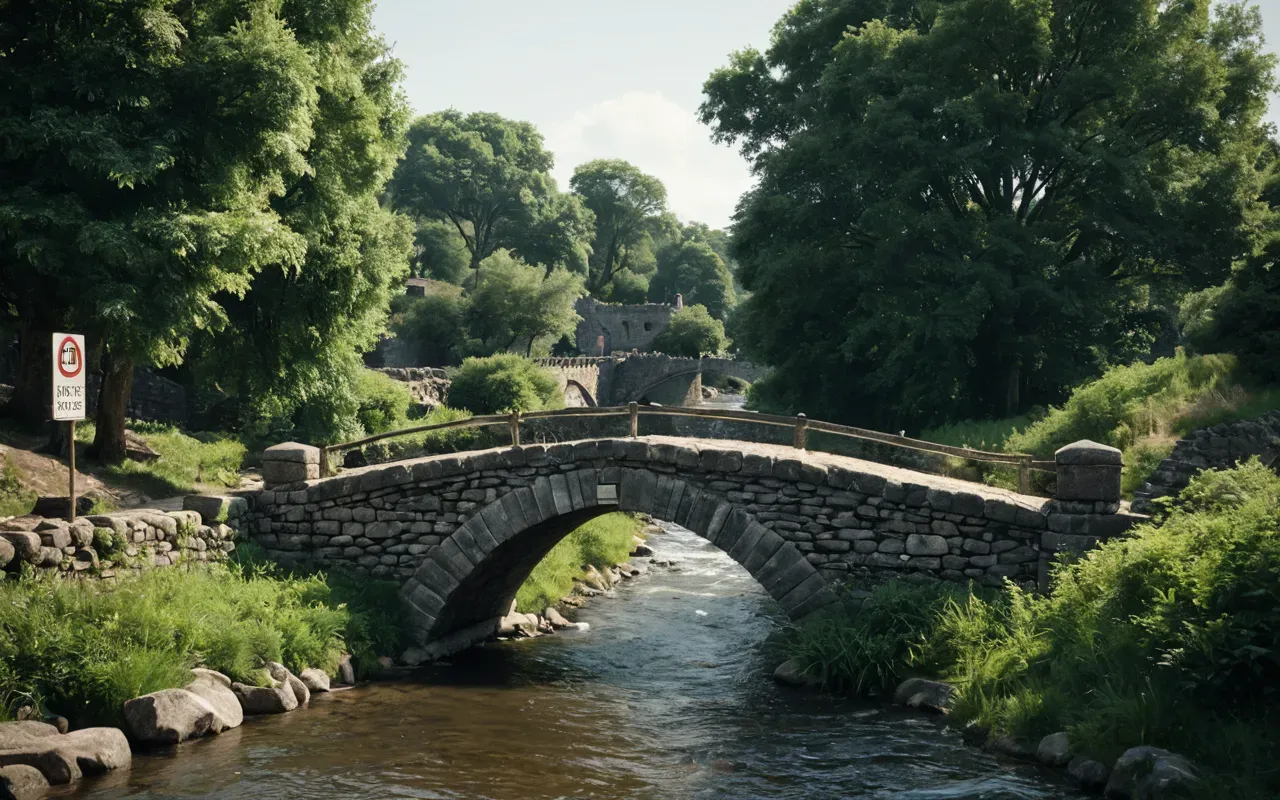
The local bridge simply wasn't built to handle constant heavy traffic. That is a genuine safety risk that cannot be ignored by any planning committee.
What Planning Agents Overlook in Rural Industrial Applications
Planning agent Dan Walker argued the site was already in a well-established industrial context. He claimed it would fit aesthetically with its surroundings.
But the council clearly disagreed. The scale of infrastructure planned for that tiny zero point one four hectare site was just too much.
Broader Implications for the Ready-Mix Industry in Modern Construction
This rejection sends a loud message to construction companies everywhere. You can't just assume industrial zones are fair game for any expansion.
Ready-mix plants are essential tools. They provide high-quality concrete efficiently and reduce labor costs on building sites. But their operation requires careful consideration of surrounding communities.
When choosing a ready-mix plant location today, factors like community impact weigh heavily. Automation helps reduce noise and emissions.
Why Community Pushback Is Becoming the New Normal in Infrastructure Development
People care more about their local environment now. Noise and dust are tangible daily annoyances that residents simply refuse to accept anymore.
This aligns with a growing trend where local planning boards take environmental concerns seriously. It is no longer just about economic growth at any cost.
For construction professionals aiming for timely processes today, understanding this shift is vital. You have to plan better or face rejection.
How Modern Batching Technology Could Have Saved This Project
Advanced concrete plants incorporate safety protocols and automation that drastically cut down on dust. If Bear Concrete had proposed a fully enclosed automated system initially, would the outcome have been different?
I honestly think it might have changed the conversation. Technology mitigates many traditional complaints about noise and pollution.
It is interesting to see how planning boards respond when companies present these green solutions upfront. The resistance often melts away.
What This Means for Future Construction Projects in Similar Locations
Other villages and small towns will likely use Unstone as a benchmark now. Local councils have proof that they can say no to large industrial expansions.
This creates a higher bar for developers. You must demonstrate that your equipment meets the highest safety and environmental standards before even applying.
If you are involved in infrastructure development today, pay close attention to these local dynamics. Understanding how modern concrete plants shift power dynamics gives you a strategic edge.
The Economic Trade-Offs of Saying No to Industrial Expansion
Rejecting the plant protects Unstone's character and environment. But it also means fewer local jobs during construction phases.
There is always a balance to strike here. Local economies benefit from construction activity and increased tax revenue.
However, the long-term costs of pollution and traffic damage can outweigh short-term economic gains. The council clearly prioritized quality of life.
Why Precise Batching and Safety Protocols Are Non-Negotiable Today
Modern ready-mix plants offer precise batching that reduces waste significantly. This efficiency is exactly what the industry needs for sustainability.
But as Unstone shows, efficiency alone isn't enough. You must integrate robust safety features that protect both workers and neighbors.
Investing in durable efficient ready-mix plant technology supports long-term project success. The critical role of these plants in modern infrastructure cannot be overstated.
Looking Ahead: How Can the Industry Adapt to Stricter Local Regulations?
Companies will need to engage with communities much earlier in the planning process. Transparency about noise levels and traffic routes is key.
Demonstrating a genuine commitment to environmental stewardship can turn opposition into support.
This rejection in Derbyshire is a wake-up call. It proves that local voices have real power over industrial development trajectories.
Final Thoughts on Balancing Industrial Needs with Community Well-Being
The Unstone decision highlights a crucial truth in today's building landscape. Progress cannot simply bulldoze over local concerns.
Construction professionals must adapt. You need to evaluate specs carefully and identify reliable suppliers who prioritize clean operations.
When you choose the right plant with advanced environmental controls, everyone wins. Projects move forward smoothly without sacrificing local peace.
Let's hope the industry takes note. The era of ignoring neighborhood pushback is officially over.
Comments ()