Why your next concrete pour might run on silent electric wheels
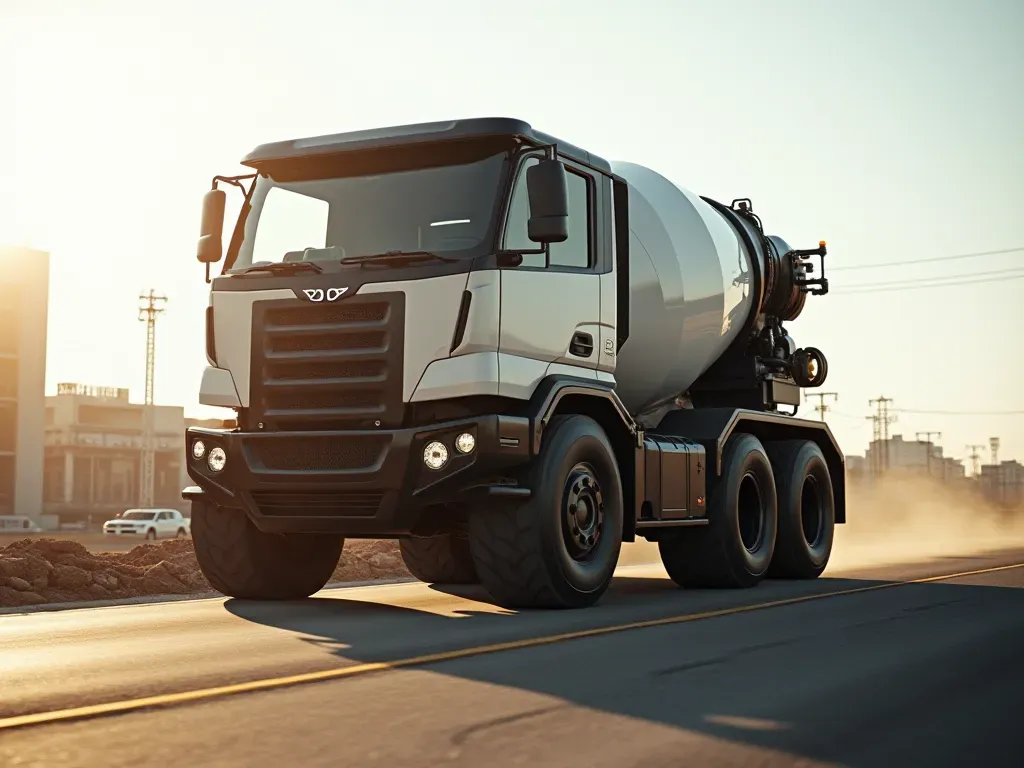
The Silent Takeover of the Job Site
Most people picture a job site as loud. Diesel engines roaring at dawn. Dust clouds billowing into the air. But that image is quietly dying out.
A new report from MarketsandMarkets just dropped. It predicts the electric machinery market will hit $13.8 billion by 2033. That is a massive jump from where we stand today.
I read the data and it stuck with me. The shift is not just about saving fuel. It is about total silence in places that used to be deafening.
The Battery Price Break That Changed Everything
For years, the main barrier was power. Batteries were too heavy and too expensive to support a full shift of hard labor.
Then the price dropped. By 2025, lithium packs hit roughly $70 per kilowatt-hour. That single number changed the entire economic model for fleet managers.
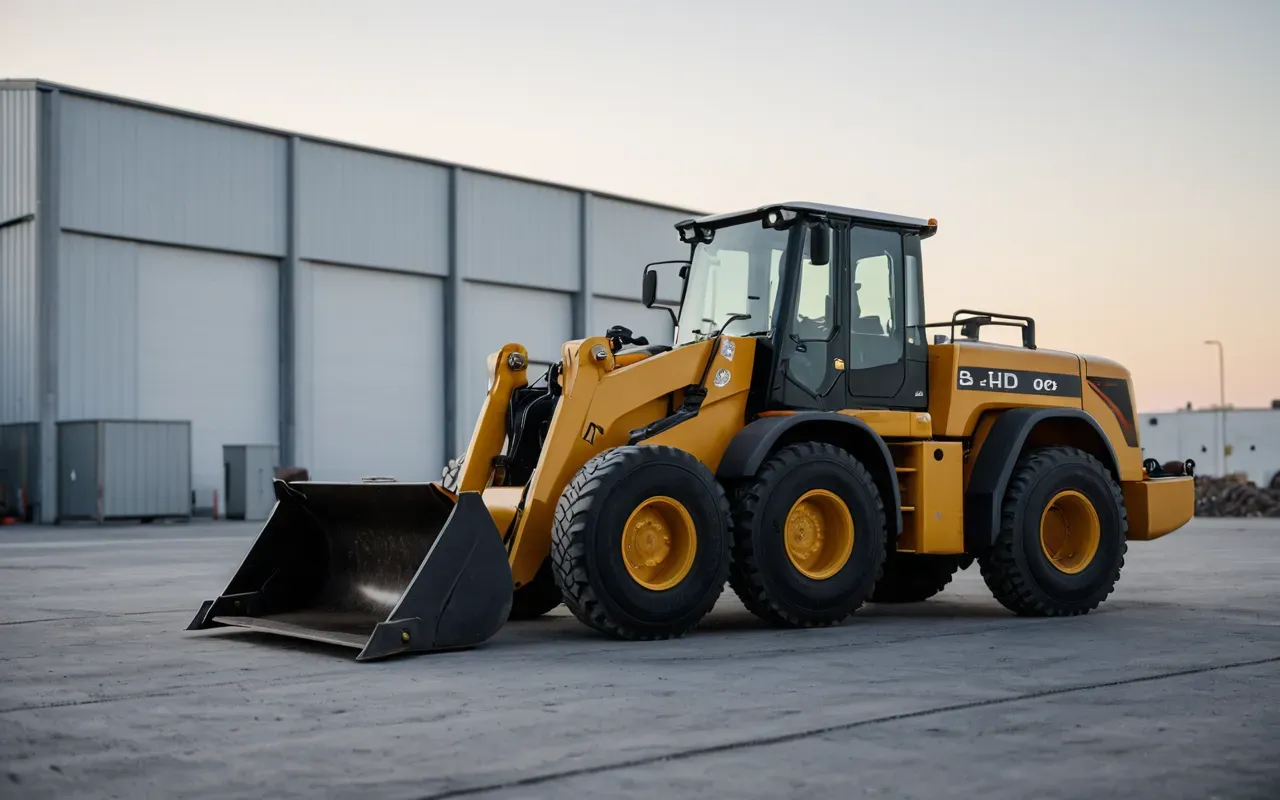
Suddenly an electric loader could run a full eight-hour shift without stopping to refuel. The math finally worked for operators who need uptime.
I spoke with a fleet supervisor last month. He told me the charging time is shorter than his lunch break. That level of convenience makes the switch easy to justify.
Why Loaders Are Winning Over Excavators
Not all machines are created equal. Electric skid-steers and wheel loaders are leading the charge for a very practical reason.
They need less power. A standard loader requires between 40 and 150 kilowatt-hours of energy to run a full day.
Compare that to a large excavator. Those heavy machines demand massive battery packs just to move dirt all day long.
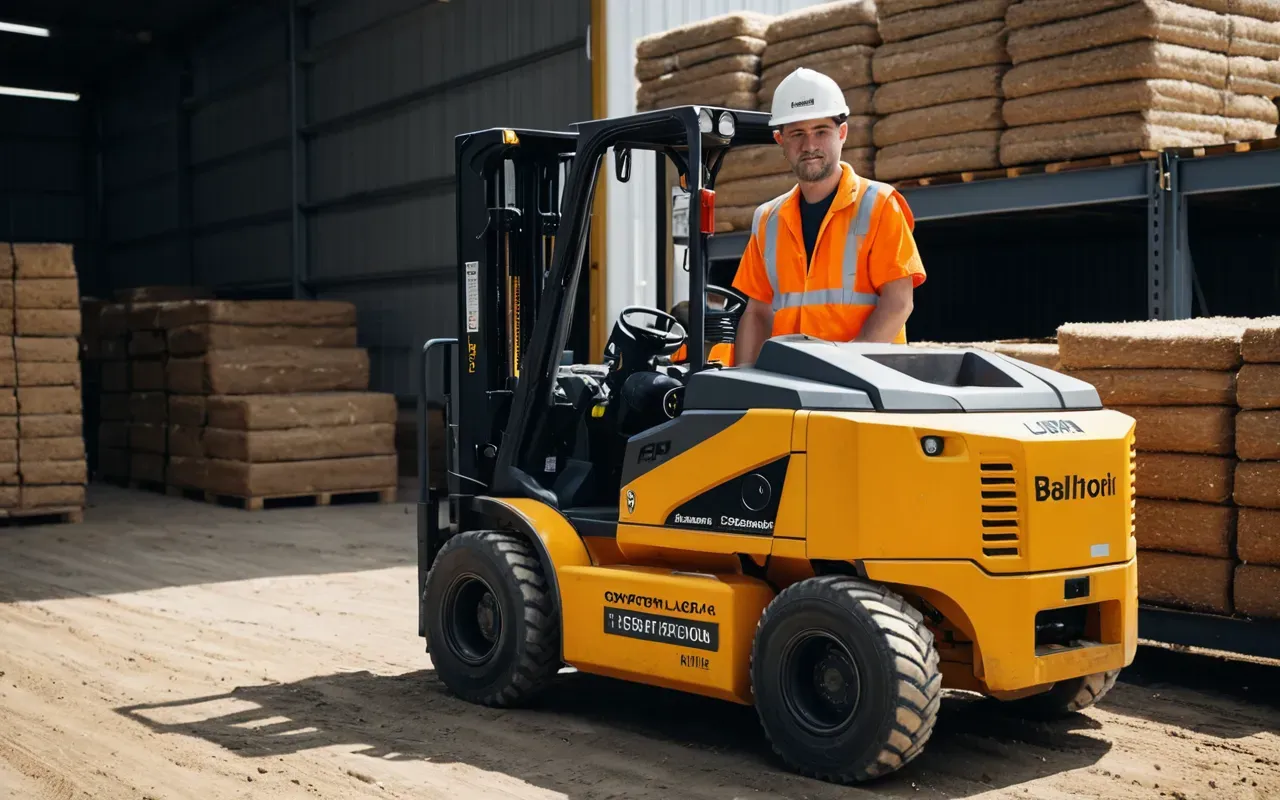
So it makes sense that loaders hit the market first. They are easier to electrify and faster to deploy on commercial projects.
The Noise Factor You Cannot Ignore
Here is the part that surprises most people. The real driver is not just emissions. It is noise.
Cities are cracking down on sound pollution. Many urban zones now cap equipment noise at 65 decibels during residential hours.
A diesel engine idling in a city center is illegal. An electric motor humming quietly? That is completely acceptable to neighbors.
This opens up night shifts for concrete pours. You can work when the rest of the city is sleeping without getting fined.
How This Affects Your Concrete Logistics
If you manage a ready-mix plant, this shift changes your delivery fleet. Diesel trucks are loud and smell like fuel.
Electric vehicles solve both problems. They arrive silently and leave no exhaust fumes near residential buildings.
I have seen contractors use this as a selling point. They market their service as quiet and clean to win urban contracts.
The Hidden Winners in This Transition
Who is making money from this shift? It is not just the equipment makers. The real winners are the infrastructure providers.
Charging stations need to be installed at job sites. That means new contracts for electrical work and site planning.
OEMs like Caterpillar and Volvo are racing to release their electric lines. But the software companies controlling battery management? They are the quiet beneficiaries.
I predict a surge in demand for technicians who understand both concrete and electronics. That is a rare skill set today.
What This Means for Your Next Project
Do not wait until the rules force your hand. The market is moving faster than most people realize.
If you are bidding on a city project this year, check the noise requirements early. A diesel fleet might disqualify you entirely.
I know a contractor who lost a bid last quarter. The client wanted zero-emission equipment on site during business hours.
He had only diesel trucks. The project went to a competitor with electric loaders. That is the new reality of urban construction.
The Future Is Quiet and Efficient
We keep seeing the same pattern in other industries. Silence is becoming a premium feature.
In the past, power meant noise. More horsepower always came with more decibels.
That link is finally breaking. Electric motors deliver full torque without the roar.
This is not just about being green. It is about being smart and efficient.
The companies that adapt now will have a massive advantage in the next decade. The rest will be left chasing a moving target.
I have seen this play out in the logistics sector already. The early movers are winning big contracts today.
The transition to electric is not optional anymore. It is becoming the standard expectation for major projects.
Comments ()