The hidden cost in your concrete invoice is bleeding you dry
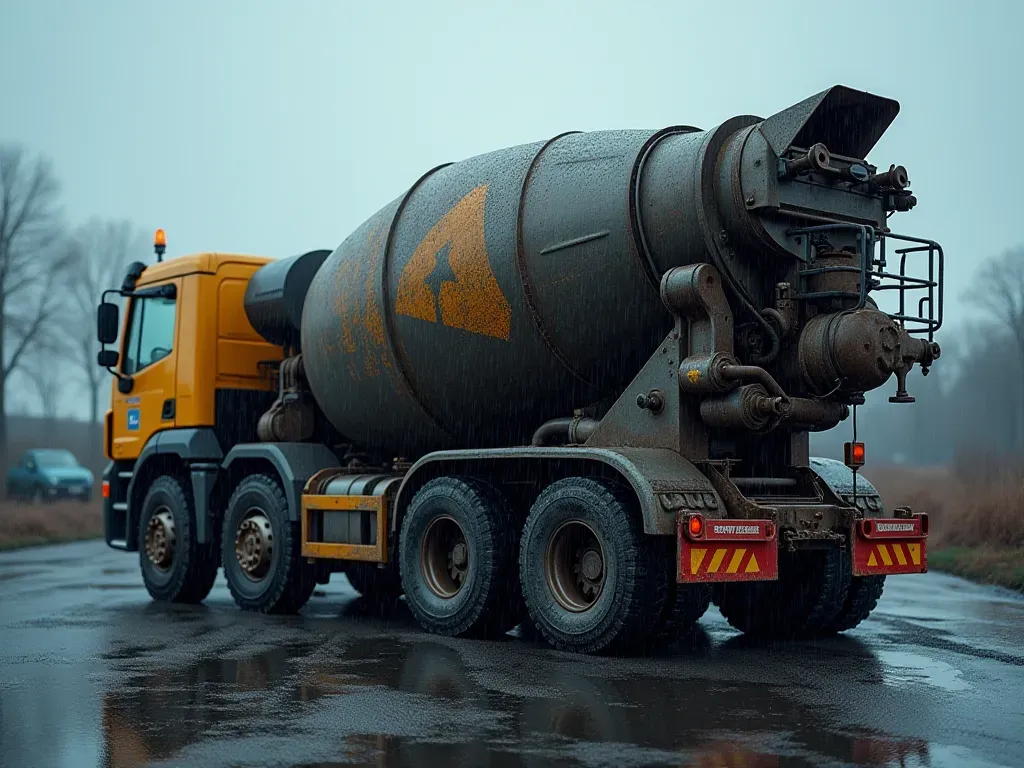
The silent killer in your supply chain
Take the last invoice you paid. There's a number on it for concrete, and you signed off on it without a second thought. But that figure is a lie by omission.
I've spent years watching contractors burn money on things they never itemized. And it's not the cement price driving this loss.
It's the friction in your batching process. Every second a truck waits at the washout pit costs you real dollars.

Why your washout pit is a black hole for time
Most sites treat the washing area as an afterthought. It's a muddy corner where drivers just dump their leftovers.
But if your washout pit is slow, you lose truck hours. A single lost hour per shift adds up to thousands in wasted capacity.
I've seen operators wait forty minutes just to rinse a drum. That is not acceptable in modern operations.
The data nobody tracks
You track the volume of concrete poured. You rarely track how long it took to get there.
That gap is where profit disappears. It hides in the queue and the delays that nobody logs.

The human cost of ignoring batch data
Top companies pay a premium for managers who can read this information. Why? Because intuition fails when volume scales.
If you can't see the variance in your mix ratios, you're flying blind. Small errors compound into massive waste.
We keep seeing teams rely on memory to adjust settings. It's a risky way to run a high-stakes operation.
Who actually wins here
The winners are not the ones with the biggest machines. They're the ones who eliminate waste.
The losers are stuck paying for inefficiency they can't see. It's a quiet tax on your entire business.
The automation gap that separates leaders from laggards
Manual batching is slow. It introduces human error at every single step of the process.
Automated systems reduce this variance to near zero. They ensure every batch meets the exact specification.
But automation alone is not enough. You need a system that talks to your logistics software.

The regulatory trap hiding in plain sight
One neighbor complaint can trigger an audit that shuts you down. It's a real risk for rural operations.
I've seen plants close because they ignored local zoning nuances. It's a catastrophic failure mode.
You must proactively manage your environmental footprint. Dust and noise are not just annoyances; they're liabilities.
The hidden fee in your invoice
Suppliers often bury the real cost in delivery surcharges. These fees bleed your budget dry without you noticing.
You need to audit every line item. If you don't question the fee, it doesn't exist in your reality.
The future of concrete is data-driven efficiency
The demand for advanced solutions keeps growing. Infrastructure projects require precision and speed.
Companies that master this will dominate the market. Those who ignore it will struggle to stay afloat.
It's not about having the biggest plant. It's about running it with surgical precision.
If you want to see how this plays out in the real world check out the hidden fee in your concrete invoice.
Also understand why top companies pay for data skills.
Finally learn how your washout pit costs you.
The bottom line is simple. Stop paying for inefficiency you can't see.
Your competitors are already doing it. The question is whether you'll follow or be left behind.

Comments ()