The secret handshake between a Maryland giant and Central Virginia that nobody saw coming
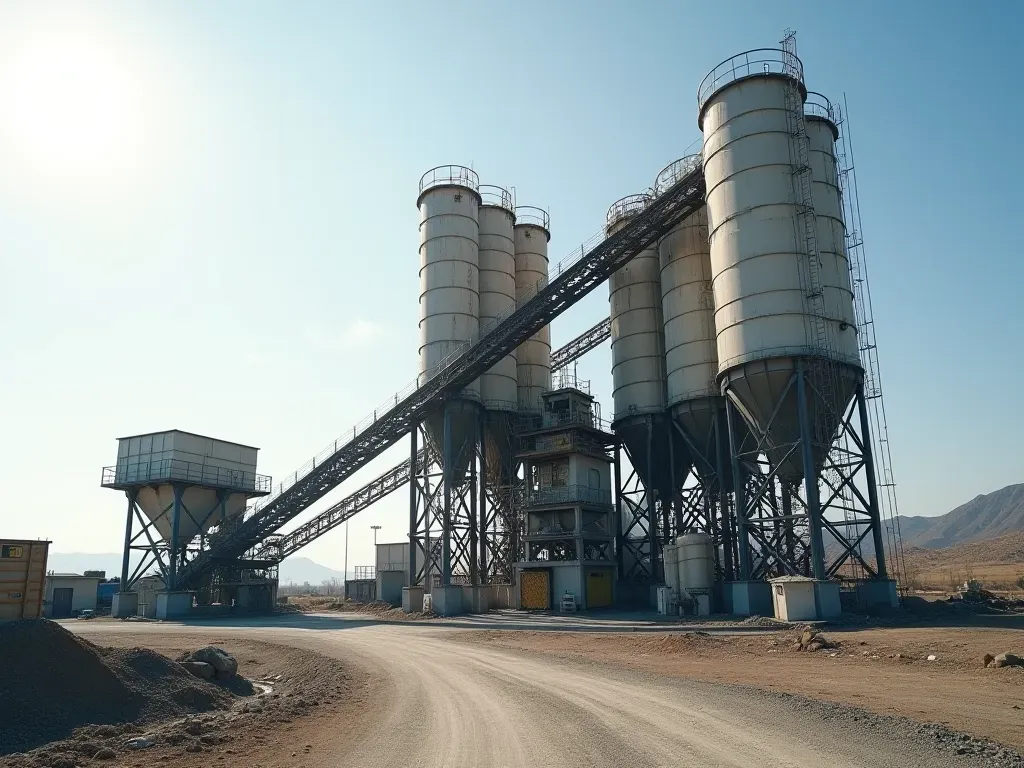
The quiet takeover of a regional powerhouse
Most industry insiders missed this one. Chaney Enterprises didn't just buy a few trucks or pick up a small yard in Richmond. They swallowed GreenRock Materials whole — an eight-plant acquisition that redrew the map overnight.
I remember reading the press release with a coffee in hand. The headline looked routine. The body text told a different story. This wasn't expansion. It was consolidation.
GreenRock had been operating in Charles City since . They were the local guys everyone trusted. Now they report to Gambrills, Maryland. For anyone pouring concrete in central Virginia, that shift is massive.
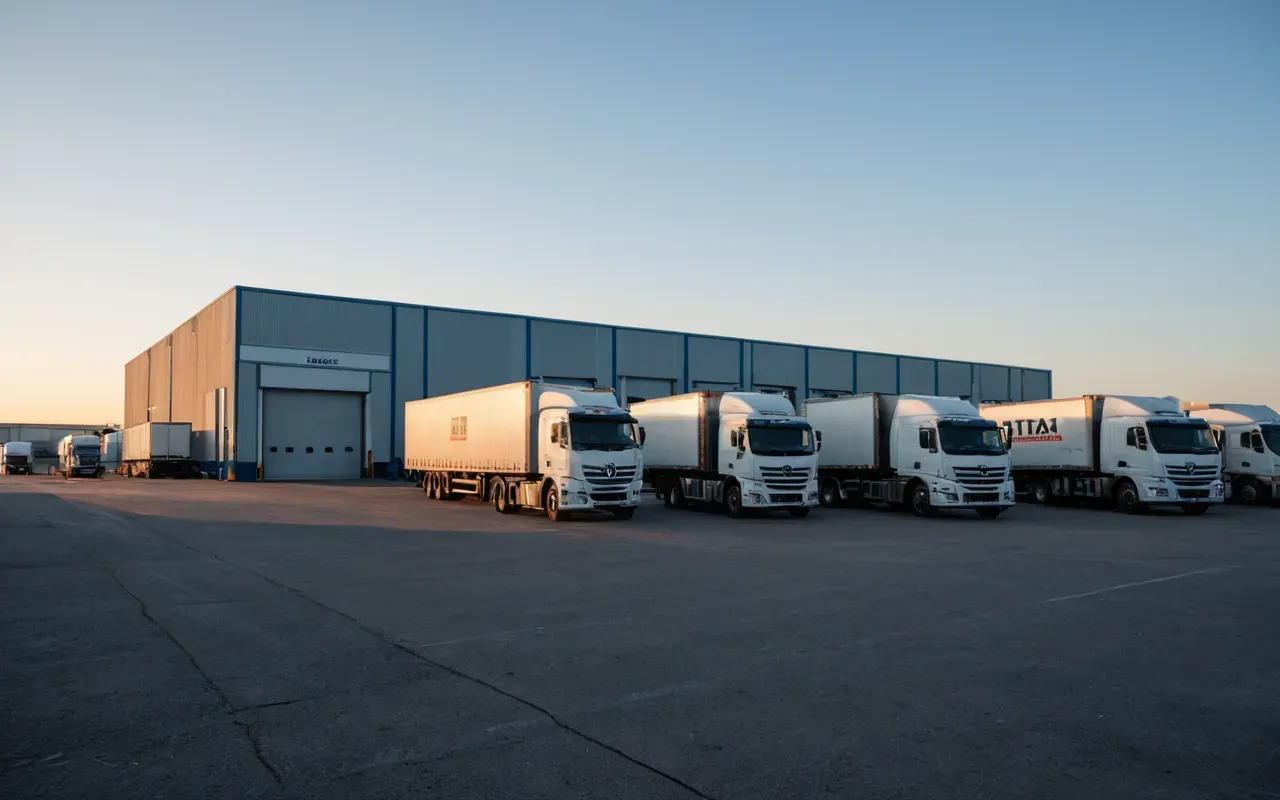
Why this deal is bigger than it looks on paper
Look at the numbers. Chaney already had plants in Bealeton and Gainesville. Adding five fixed plants from GreenRock gives them a dense network. They can now serve Richmond with almost zero transport delay.
But it isn't just about the mixing stations. They took Stony Creek Sand and Gravel too. Which means they control the raw materials upstream. That's vertical integration in action.
I've seen this pattern before. It happened when other giants bought local yards in Texas and Minnesota. Prices usually hold steady for a year or two. Then the volume leverage starts to bite.
Who actually wins in this new landscape
For large commercial developers, this is good news. One phone number for the entire Richmond metro area. Logistics get simpler, and scheduling gets tighter and more predictable.
For smaller independent contractors, the picture is murkier. You might face less flexibility in pricing negotiations. The big player can cross-subsidize from their other regions if they want to squeeze a niche market.
There's also the human element. Michael Lamb moved from founder to vice president of growth. That signals a culture clash risk. Can you really merge two distinct corporate identities without losing momentum?
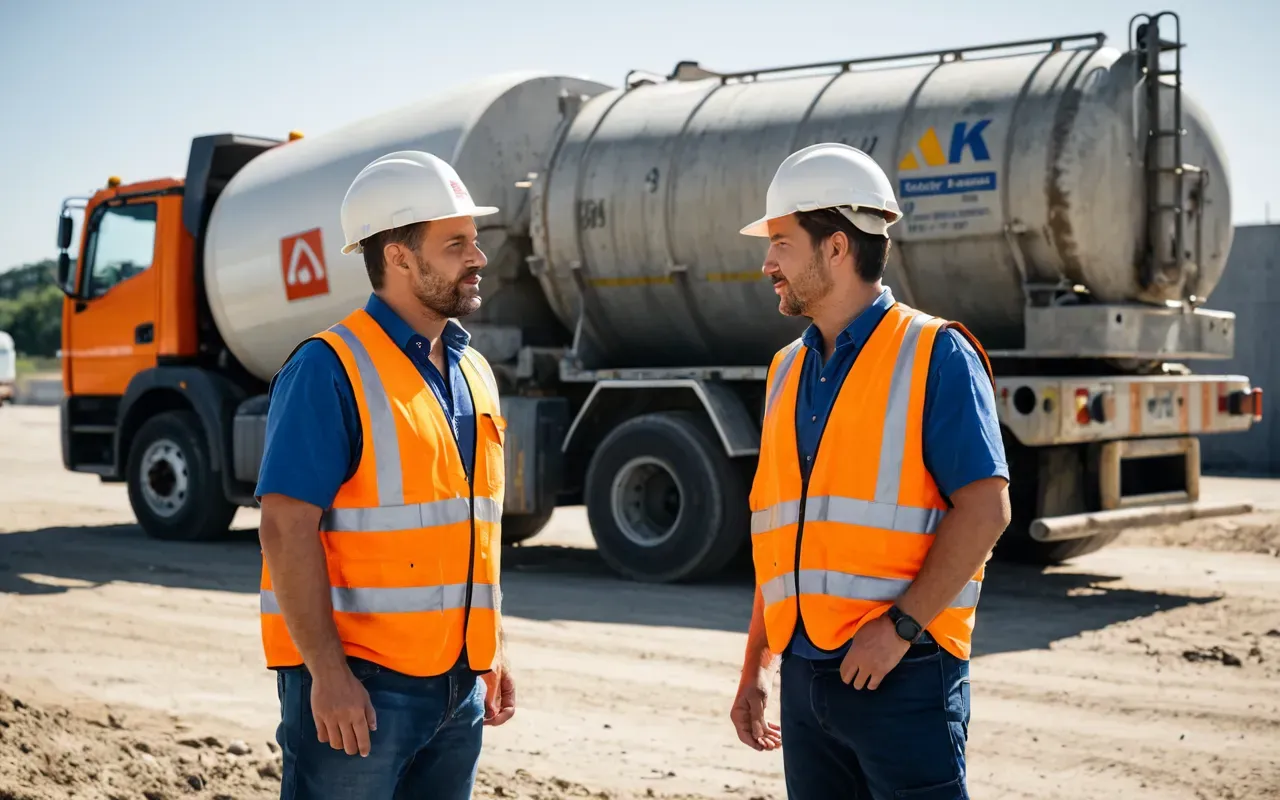
The hidden cost of losing local ownership
When a company like GreenRock disappears into a larger entity, the community loses its voice. Local complaints about noise or dust get filtered through distant boardrooms in Maryland.
I spoke with a few site supervisors last week. They worried about software changes. New systems often mean new training curves and slower response times during critical pours.
If you're mid-project right now, watch your invoices. Small fee structures can change without much warning when ownership shifts hands.
What this means for the next decade of building
Infrastructure projects are growing in every state. Demand for high-quality concrete isn't slowing down. Consolidation is the only logical response to that surge.
Chaney now operates twenty-nine plants. That scale allows for better technology adoption. Think automated batching and real-time quality tracking across multiple sites simultaneously.
But technology only helps if the culture supports it. If employees feel like cogs in a machine rather than owners of their craft, you'll see errors creep into every batch.
A look at the competitive field in Virginia
The state has seen other moves too. Some companies are tightening their grip on rural areas while others focus solely on urban cores.
If you're searching for a ready mix plant near me, the options look different today than they did last year. The map has fewer independent names on it.
The real question is whether this consolidation leads to better service or just higher margins. History suggests it depends entirely on how well the integration goes in those first two years.
Practical steps for contractors right now
Don't panic. But do verify your supply agreements. Ask specifically about lead times and penalty clauses for late deliveries under the new corporate structure.
Build relationships with your plant managers personally. They're the ones who will advocate for you when corporate policy gets in the way of a tight deadline.
Keep one backup supplier if you can. It's cheaper to have an unused contract than a stalled project waiting for a truck that never shows up.
The long game of infrastructure growth
We're entering a period where public funding is pouring into roads and bridges. The volume of concrete required will be staggering over the next decade.
Companies like Chaney are positioning themselves to capture that demand. They have the capital and the geographic spread to win those big contracts.
For us as industry observers, the takeaway is simple. The days of fragmented local markets are ending in many parts of the country. Adaptability is now a survival skill.
If you want to see how other states handled similar mergers without losing their local edge, look at the recent moves in Minnesota. The lessons there apply directly here.
The bottom line: your concrete supplier's parent company matters more than ever. Know who they are and how their strategy lines up with your project goals.
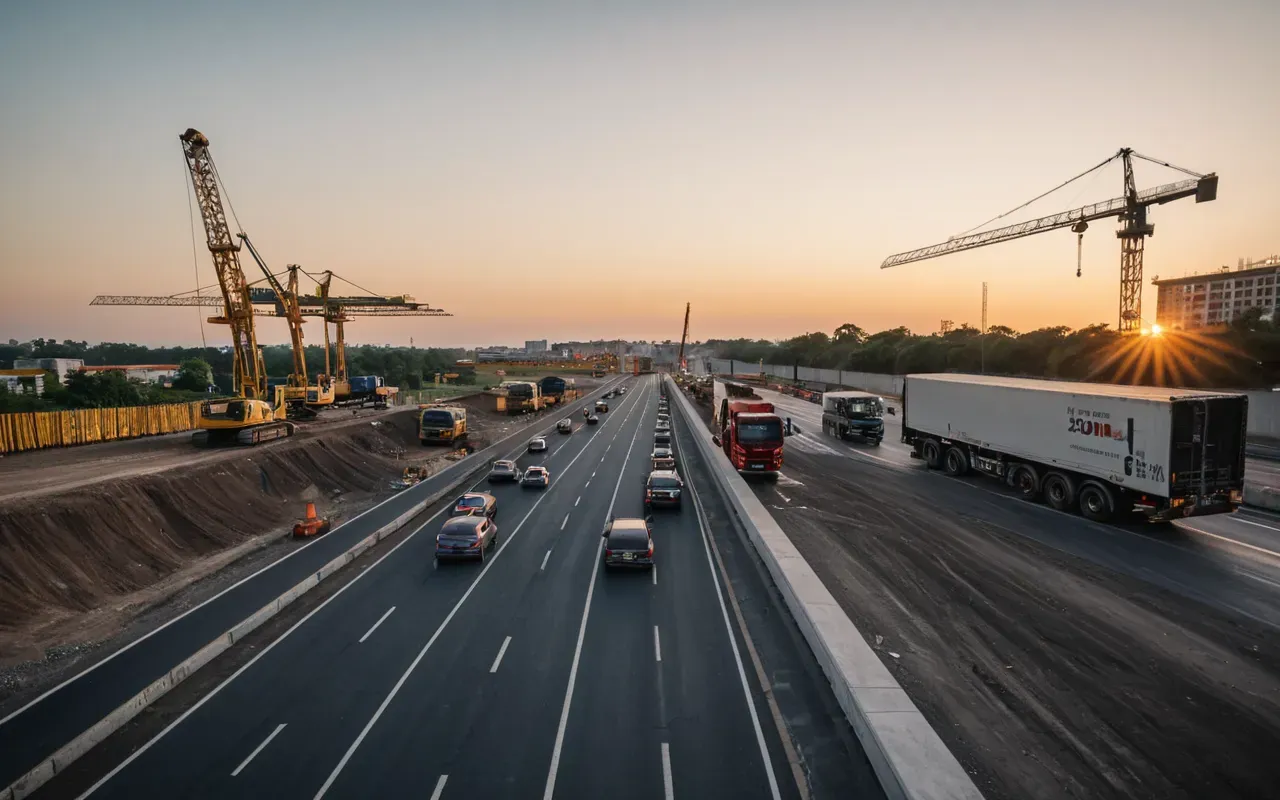
Monitoring the integration process closely
Watch for software updates at your local plants. New interfaces often signal a shift in how orders are processed and prioritized across the network.
Also keep an eye on staffing levels. If key people leave in the first six months after a deal like this, that's usually a red flag for operational stability.
I've seen good integrations and bad ones. The difference usually comes down to whether leadership respects the existing team's knowledge of local conditions.
Where we go from here in the market
Expect more announcements like this. The financial incentives to consolidate are too strong for any major player to ignore in the current economic climate.
Central Virginia is now a test case. If Chaney and GreenRock merge smoothly, it sets the template for future deals across the region.
So stay informed. Check your contracts. Talk to your suppliers directly. The concrete under our feet is the same, but the business behind it has just changed shape.
Still unsure about the best way to source your materials in this new landscape? Consider reading up on how to vet a supplier properly. It's never too late to be cautious.
The story of GreenRock and Chaney is just one chapter in a much larger book about where construction supply chains are heading. Keep your eyes open for the next move.


Comments ()